B2B Data Cleaning and Prospecting
Most B2B companies have more data than they know what to do with. Spreadsheets exported from LinkedIn. Lists bought years ago. CRM contacts nobody has touched since a trade show in 2019. It is all sitting there, and nobody wants to be the one to deal with it.
The problem is not that you do not have enough data. It is that you cannot tell the good from the bad.
Why data quality matters for outreach
When you are running a cold email campaign, every bad record costs you something. A bounced email hurts your sender reputation. A message addressed to a company that closed two years ago wastes your sequence slot. A name field full of "COMPANY LIMITED" tells the recipient immediately that they are just on a list.
None of this is catastrophic on its own. But multiplied across hundreds or thousands of contacts, it adds up quickly. It is the difference between a campaign that feels personal and one that feels like noise.
What data cleaning actually involves
Data cleaning is not just removing duplicates, although that is part of it. A proper clean involves:
- Correcting company names — Standardising how names appear, removing legal suffixes where they sound unnatural, and fixing inconsistencies that would make a personalised email read badly.
- Removing deadwood — Flagging businesses with no active web presence, parked domains or obvious signs of closure so you are not spending time chasing companies that no longer exist.
- Scoring what remains — Ranking your records by how closely each company matches your ideal client profile, so the best prospects are at the top when your team starts their day.
- Flagging conflicts — Identifying contacts that should not be reached out to, whether because they have previously opted out, they are existing clients, or they are competitors.
How prospect scoring works
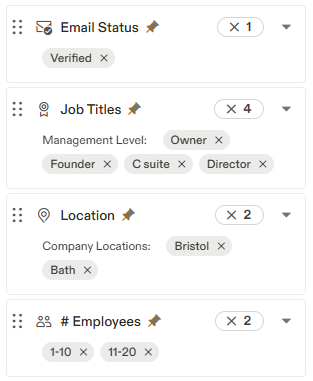
The scoring process is built around what you tell me a good client looks like. That might be a company of a certain size, in a particular sector, with an active and credible website. Each record in your list gets checked against those criteria and ranked accordingly.
The companies that tick the most boxes go to the top. The ones with dead sites, unusual names or obvious red flags go to the bottom. Everything in between gets placed in order of likelihood. When your sales team or outreach tool works through the list, they are starting with the warmest opportunities, not shuffling through noise.
The result
Fewer wasted emails. More replies from the right people. Less time spent on companies that were never going to convert. And a campaign that feels like it was built with care — because the data behind it was.